Polytron Lubricants, LLC
Polytron MTC Metal Treatment Concentrate
Couldn't load pickup availability
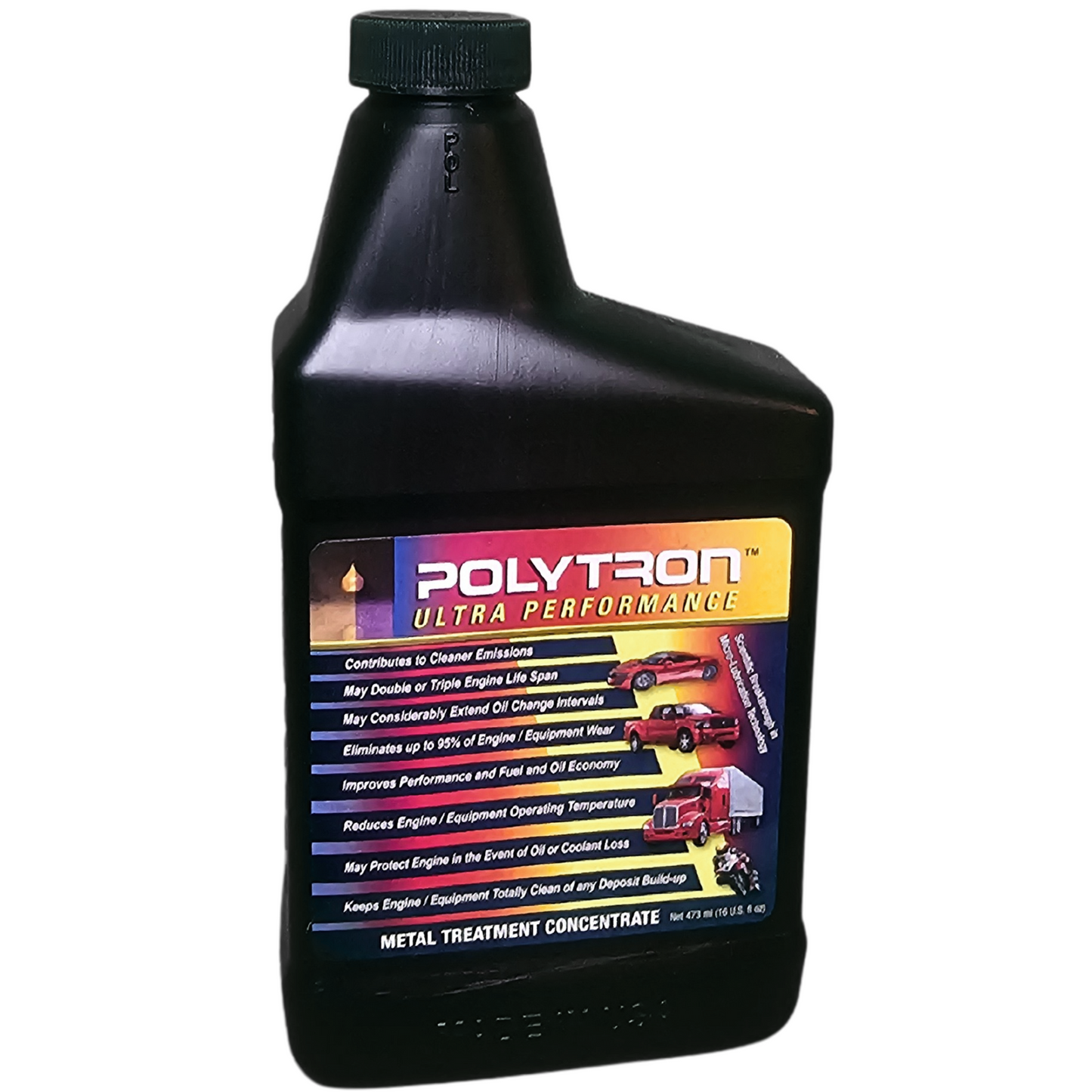
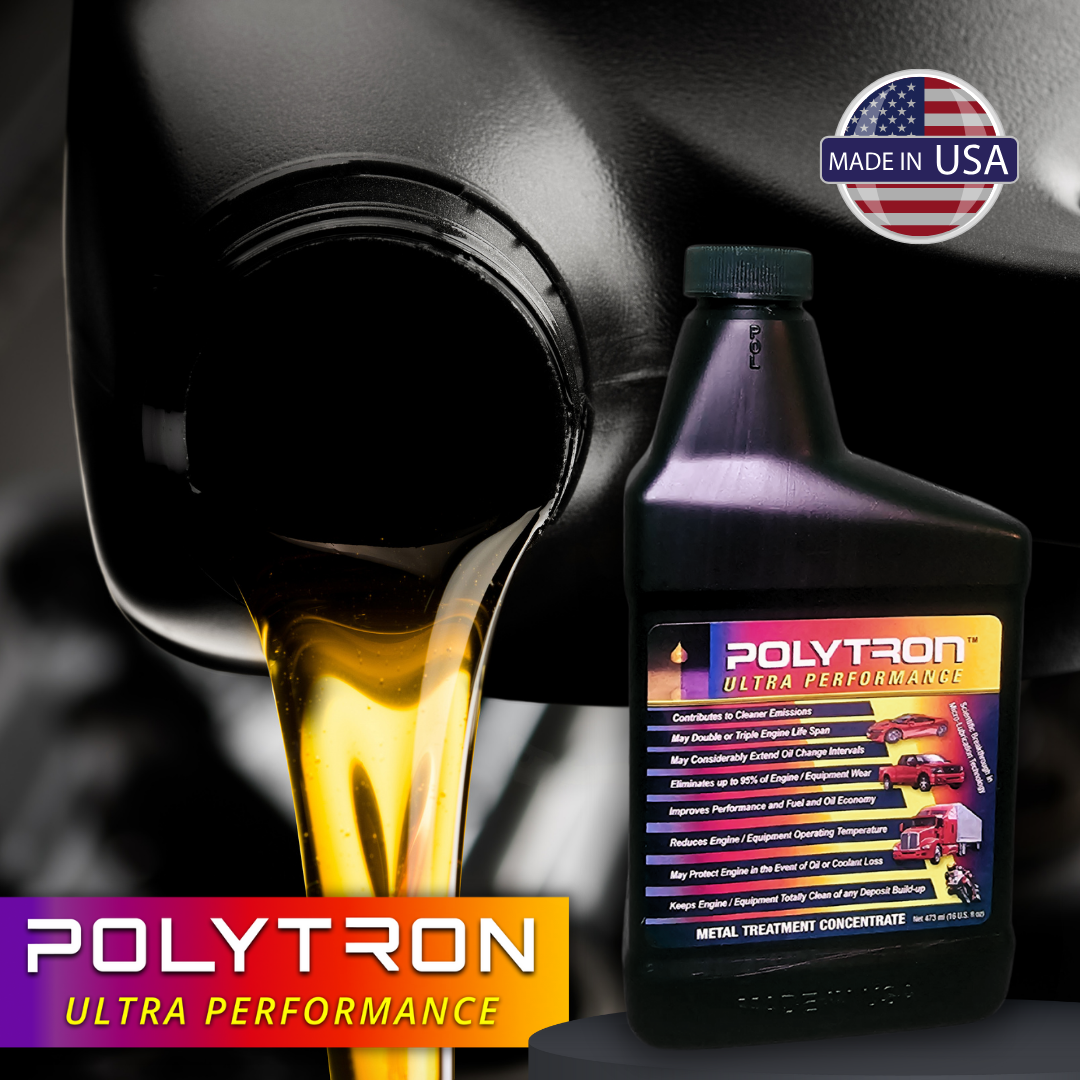
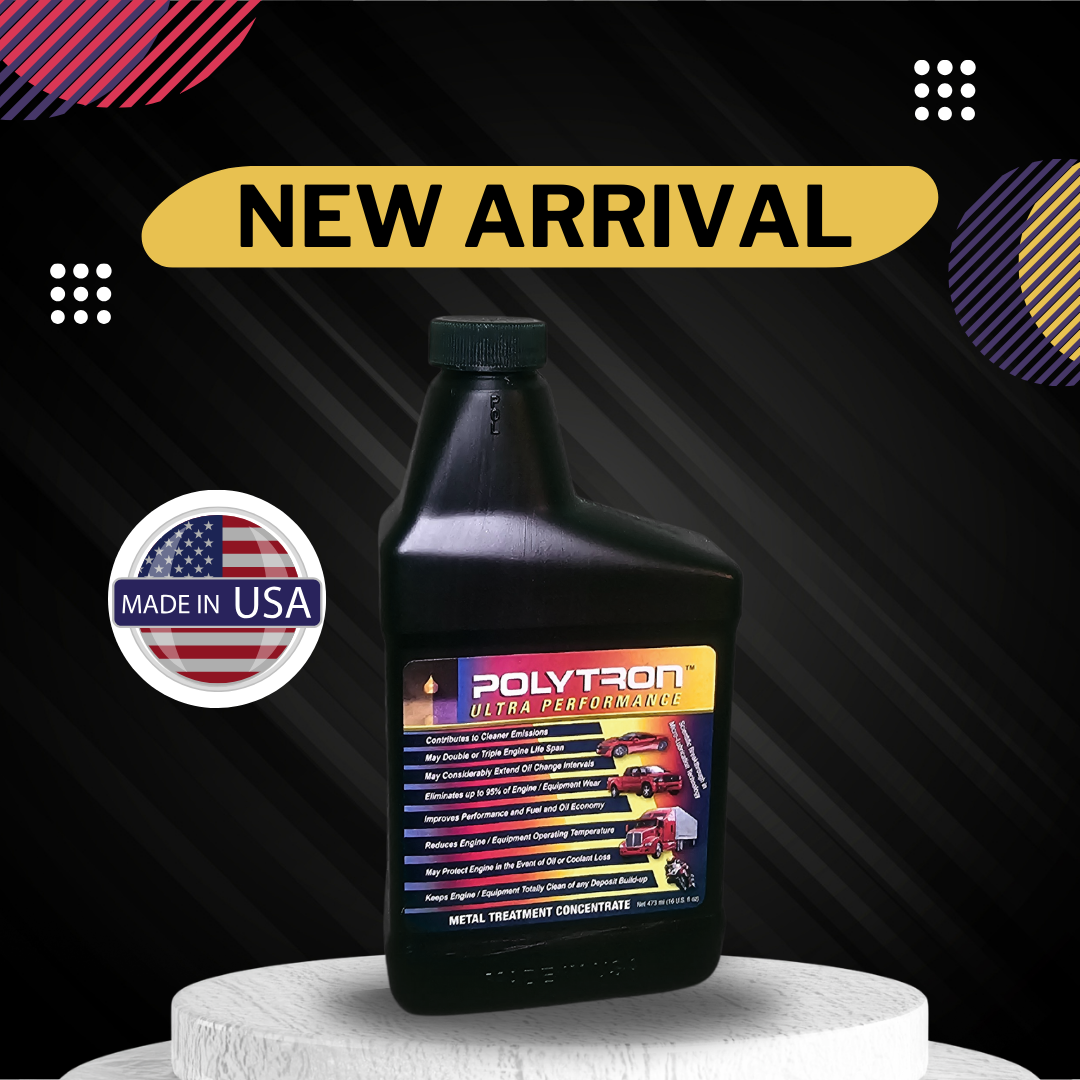
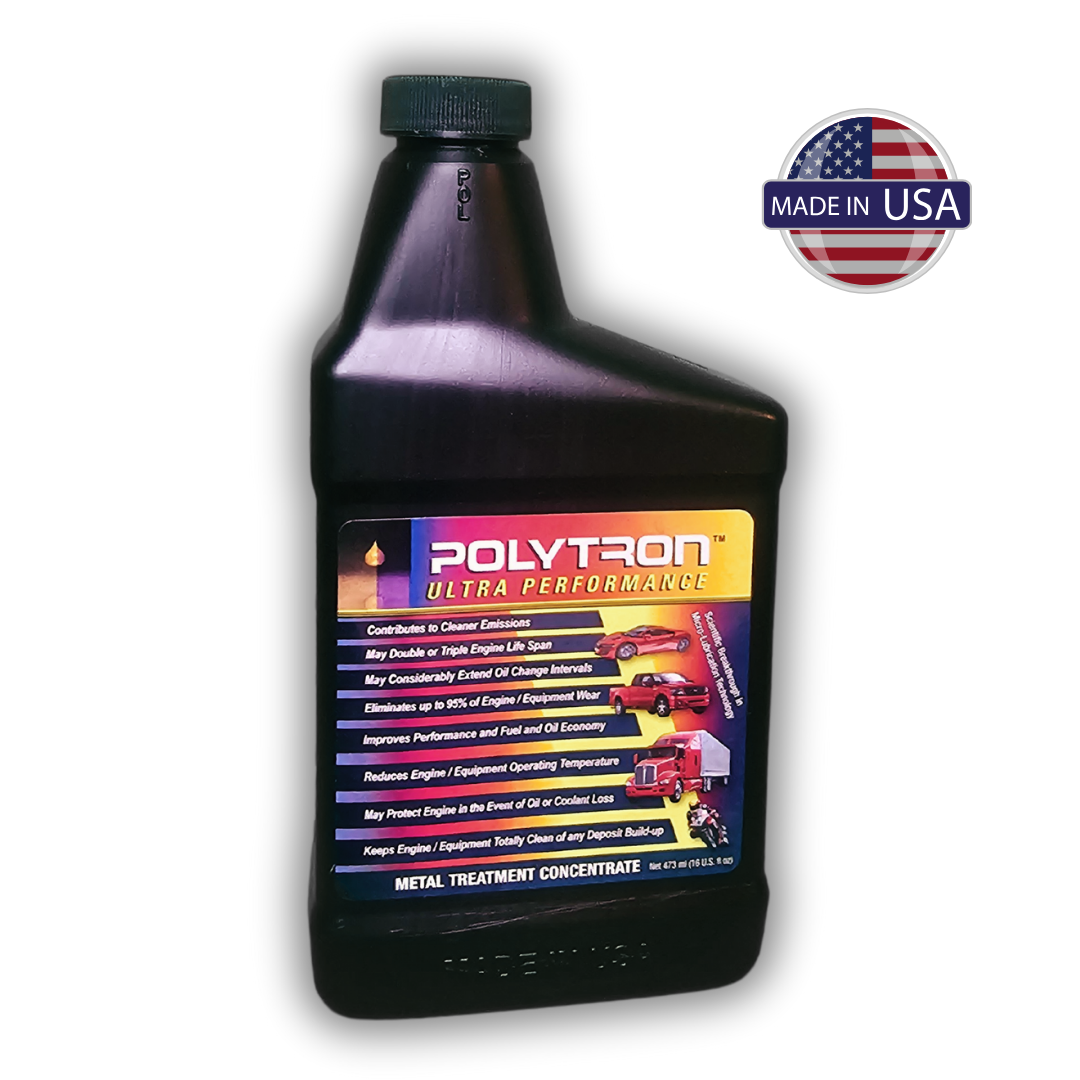
Polytron MTC Metal Treatment Concentrate is an oil-soluble lubricant additive formulated for gasoline and diesel engines, transmissions, gearboxes, hydraulic systems and industrial equipment. It is added to an existing compatible lubricant to help reduce friction between moving metal surfaces and support protection during start-up, high-load operation and demanding operating conditions.
Unlike an engine-oil replacement, Polytron MTC is designed to work with the lubricant already specified for the equipment. Always use the correct oil type and viscosity recommended by the vehicle or equipment manufacturer.
How Polytron MTC Works
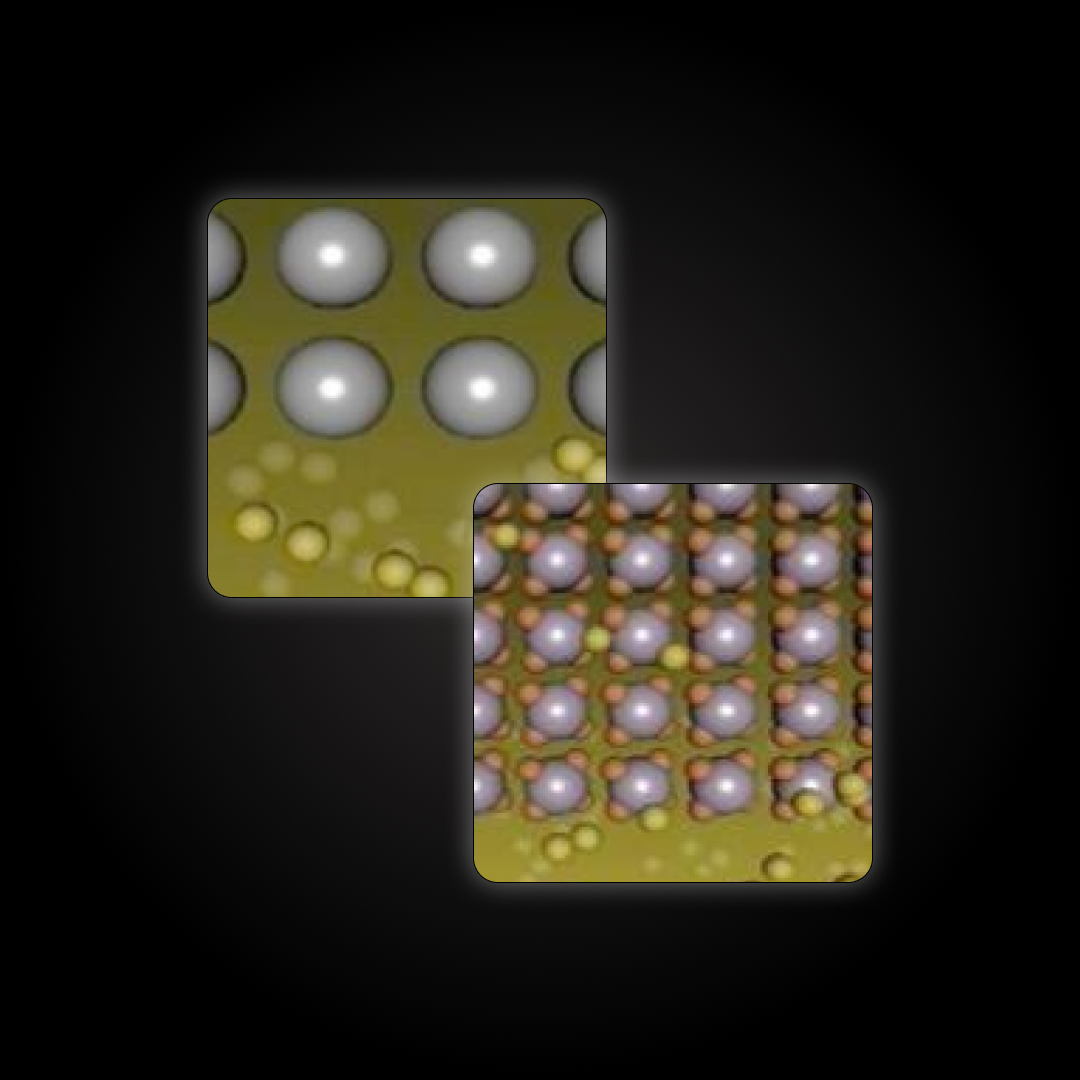
Polytron MTC uses a micro-metallurgical process designed to interact with lubricated metal surfaces. According to Polytron, this process creates a polished protective micro-layer from the existing metal surface in areas exposed to friction, pressure and heat.
By supporting a lower-friction operating environment, MTC is intended to help protect moving components and support smoother equipment operation. Performance can vary according to equipment condition, lubricant quality, operating environment, maintenance history and application rate.
Polytron MTC Benefits
Polytron MTC is formulated to:
- Support protection against friction and wear
- Provide lubrication support during start-up
- Help protect components operating under pressure and heat
- Support smoother mechanical operation
- Complement compatible petroleum and synthetic lubricants
- Serve automotive, fleet, marine and industrial applications
- Reduce friction-related stress on lubricated components
Any specific savings, efficiency improvements or service-life increases should be presented separately with the testing conditions and supporting documentation.
Polytron MTC Applications
Polytron MTC can be used in compatible lubricating systems such as:
Gasoline engines
Diesel engines
Two-cycle engines
Automatic transmissions
Manual transmissions
Hydraulic systems
Gearboxes
Bearing journals
Automotive and commercial fleets
Agricultural and construction equipment
Marine machinery
Manufacturing and industrial equipment
Confirm fluid compatibility and manufacturer requirements before treating specialized, sealed or warranty-covered equipment.
Share

How to Use Polytron MTC
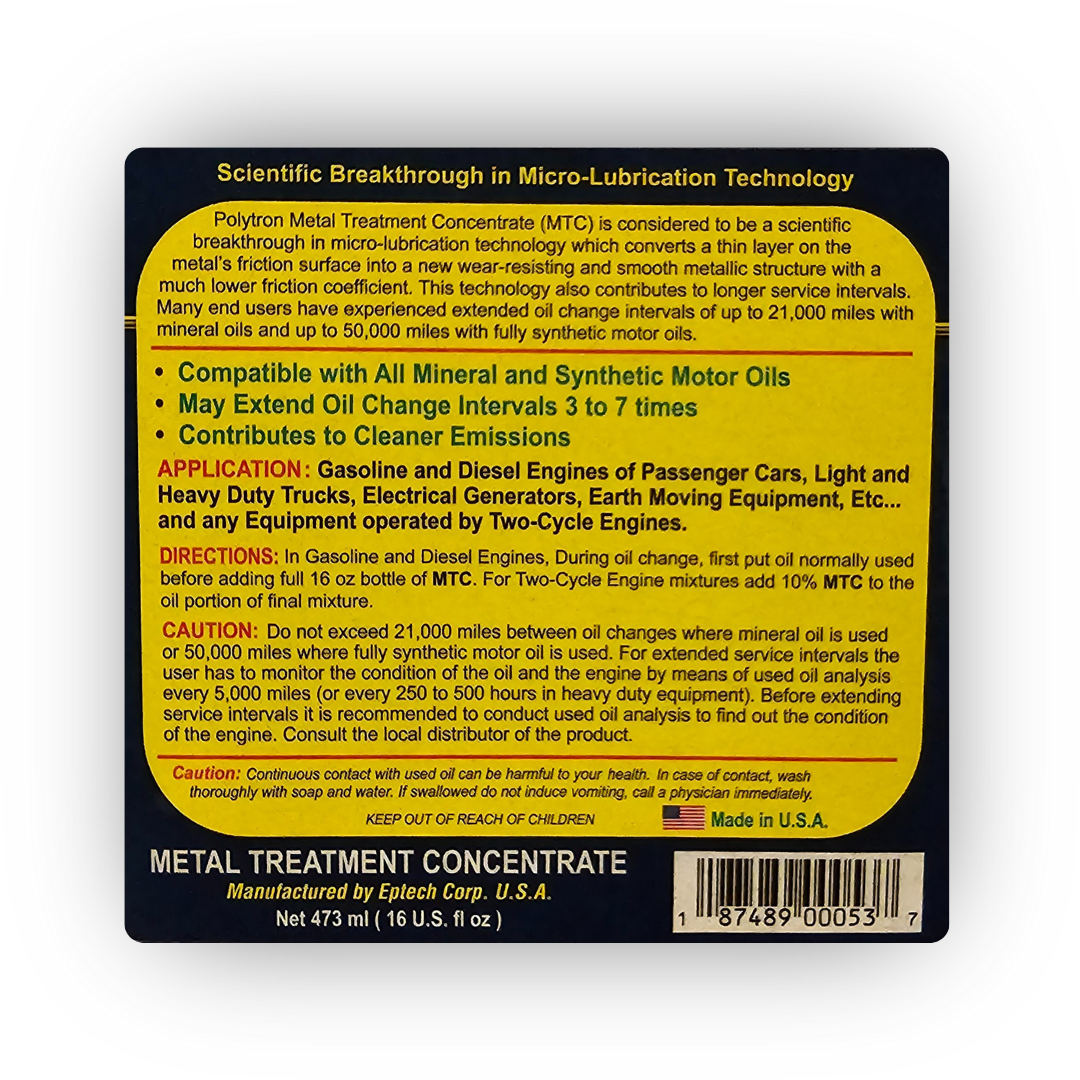
For gasoline and diesel engines, add the normal engine oil first and then add the appropriate amount of Polytron MTC based on the engine’s total oil capacity. Do not overfill the crankcase.
For two-cycle engines, add MTC at 5% of the oil portion of the final fuel-and-oil mixture. MTC should not replace the two-cycle oil required by the engine manufacturer.
First-Time Engine Treatment
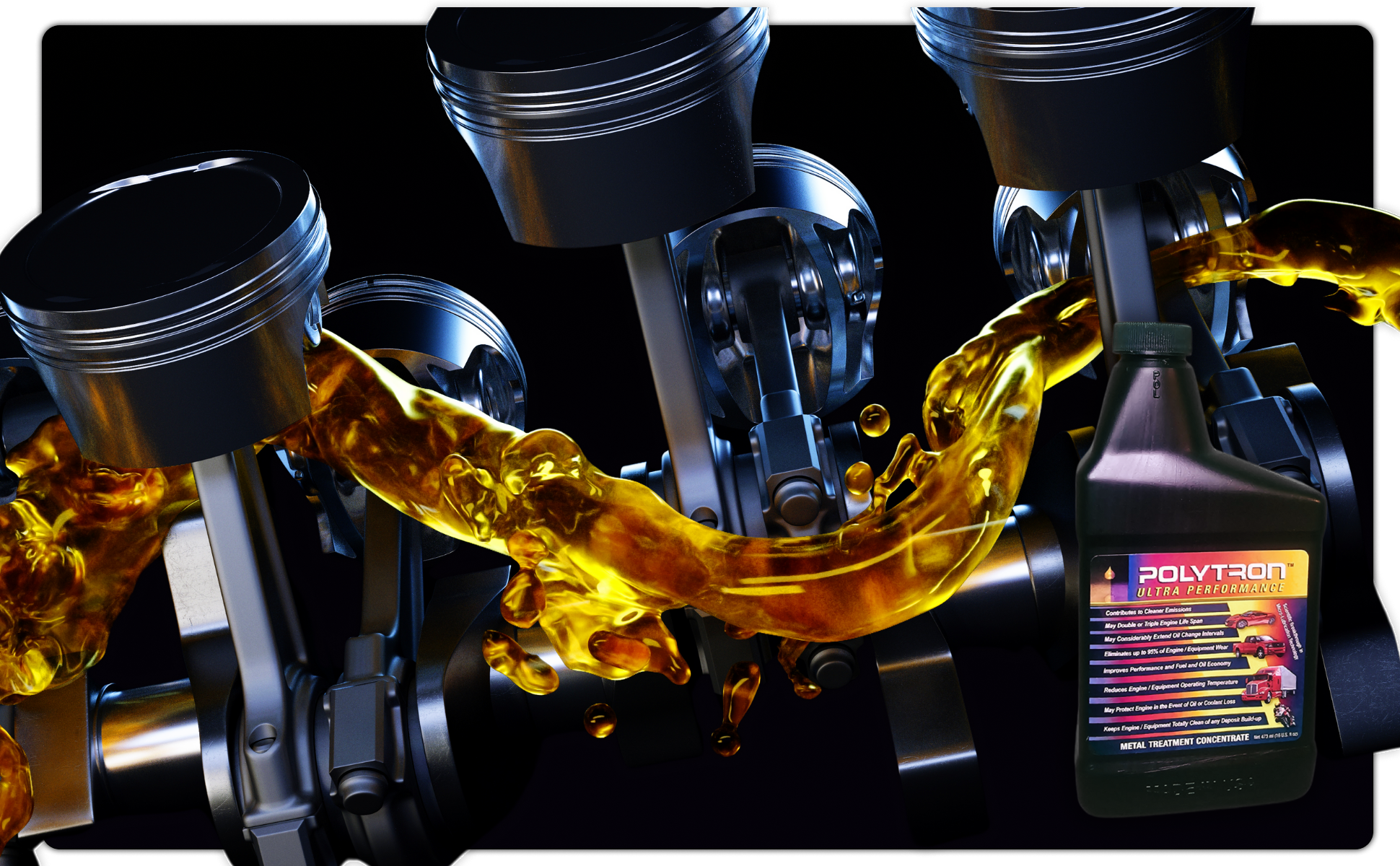
When using Polytron MTC for the first time, Polytron recommends applying it at least 200 miles before the next oil change and treating the engine again at the following oil change.
For vehicles following the manufacturer’s standard oil-change interval, Polytron recommends applying MTC every other oil change.
Do not extend an oil-change interval solely because MTC has been added. Oil condition, equipment condition, operating environment and manufacturer requirements should determine the appropriate service interval. Used-oil analysis is recommended before considering an extended interval.
Is Polytron MTC an Engine-Oil Replacement?
No. Polytron MTC is a concentrated oil additive. It must be added to a compatible lubricant in the correct ratio. Continue using the oil type and viscosity required by the vehicle or equipment manufacturer.
How Does MTC Work?
Because active elements of Polytron are polarized, when Polytron MTC is applied, they are attracted to the metal. Under heat and pressure these polarized elements metallurgically impregnate the metal’s crystal structure on its mating friction surfaces.
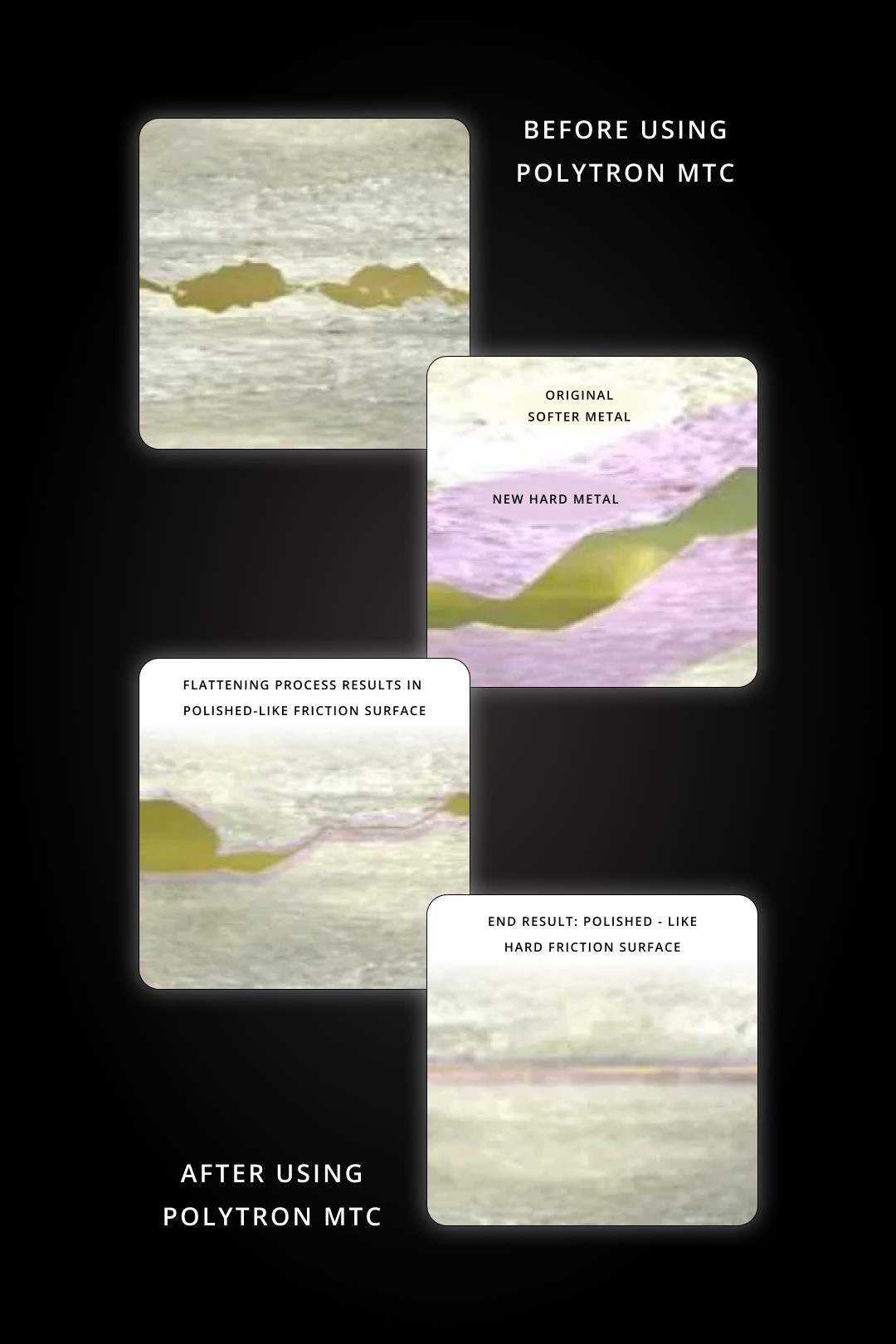
Polytron MTC transforms metal surfaces through a unique metallurgical process, creating a thin, hard layer that extends the metal's wear life by at least 15 times compared to its original state. This new layer, while extremely hard, is also flexible, allowing it to absorb and redistribute force without breaking, leading to a significant reduction in wear and tear. The process effectively smooths out the metal surface, reducing friction and making it more durable and efficient. This dual benefit of increased hardness and smoothness not only dramatically reduces wear but also lowers friction, enhancing the overall performance and longevity of the metal.
Can Polytron MTC Be Used in Gasoline and Diesel Engines?

Polytron MTC is formulated for use in both gasoline and diesel engines. Treatment quantity should be calculated from the engine’s total oil capacity.
Bulk and Commercial Applications
Polytron MTC is available for individual vehicles, commercial fleets and industrial lubrication systems. Contact Polytron Lubricants for application guidance, volume requirements and bulk-order assistance.