Polytron Lubricants, LLC
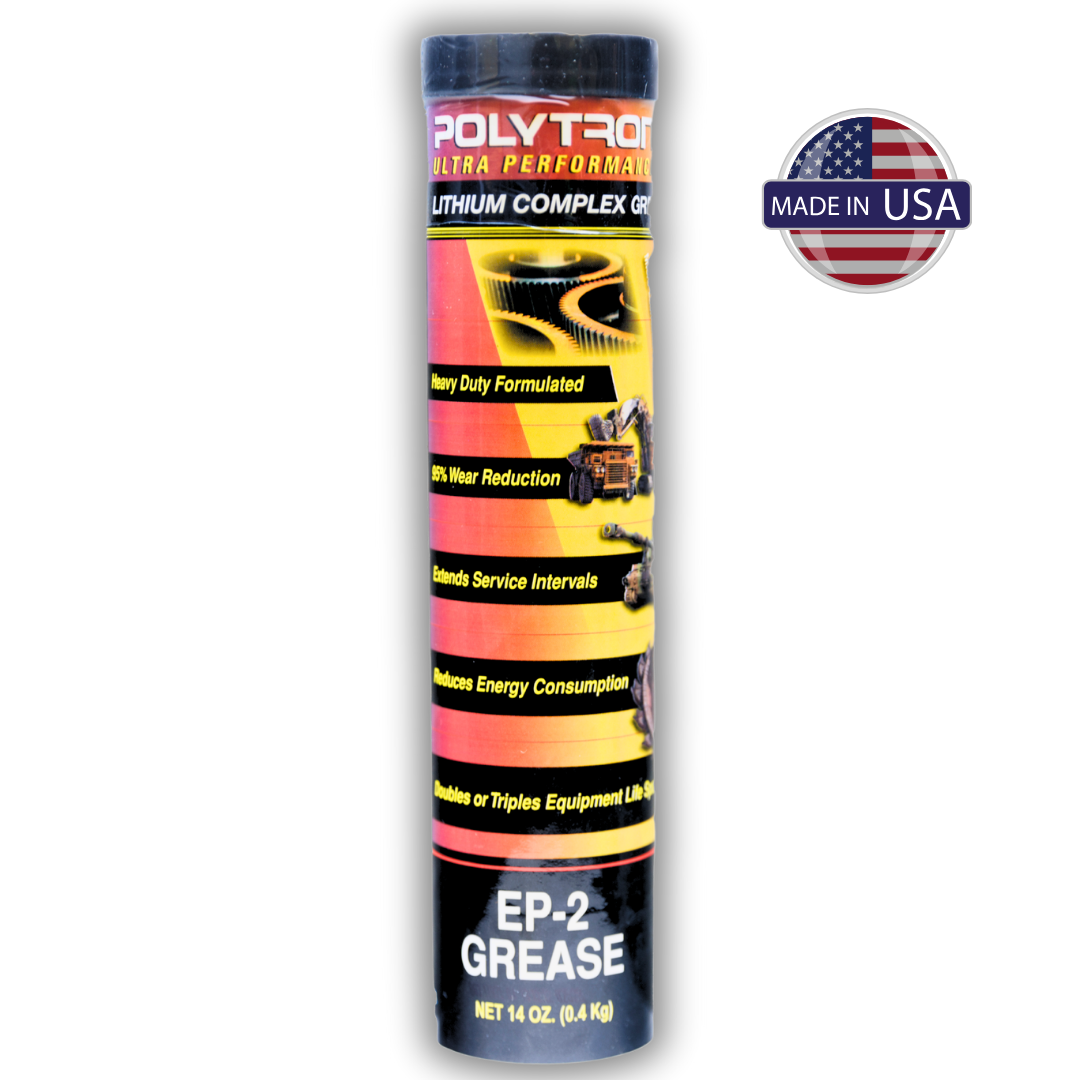
Polytron EP-2 Lithium Complex Grease
Couldn't load pickup availability
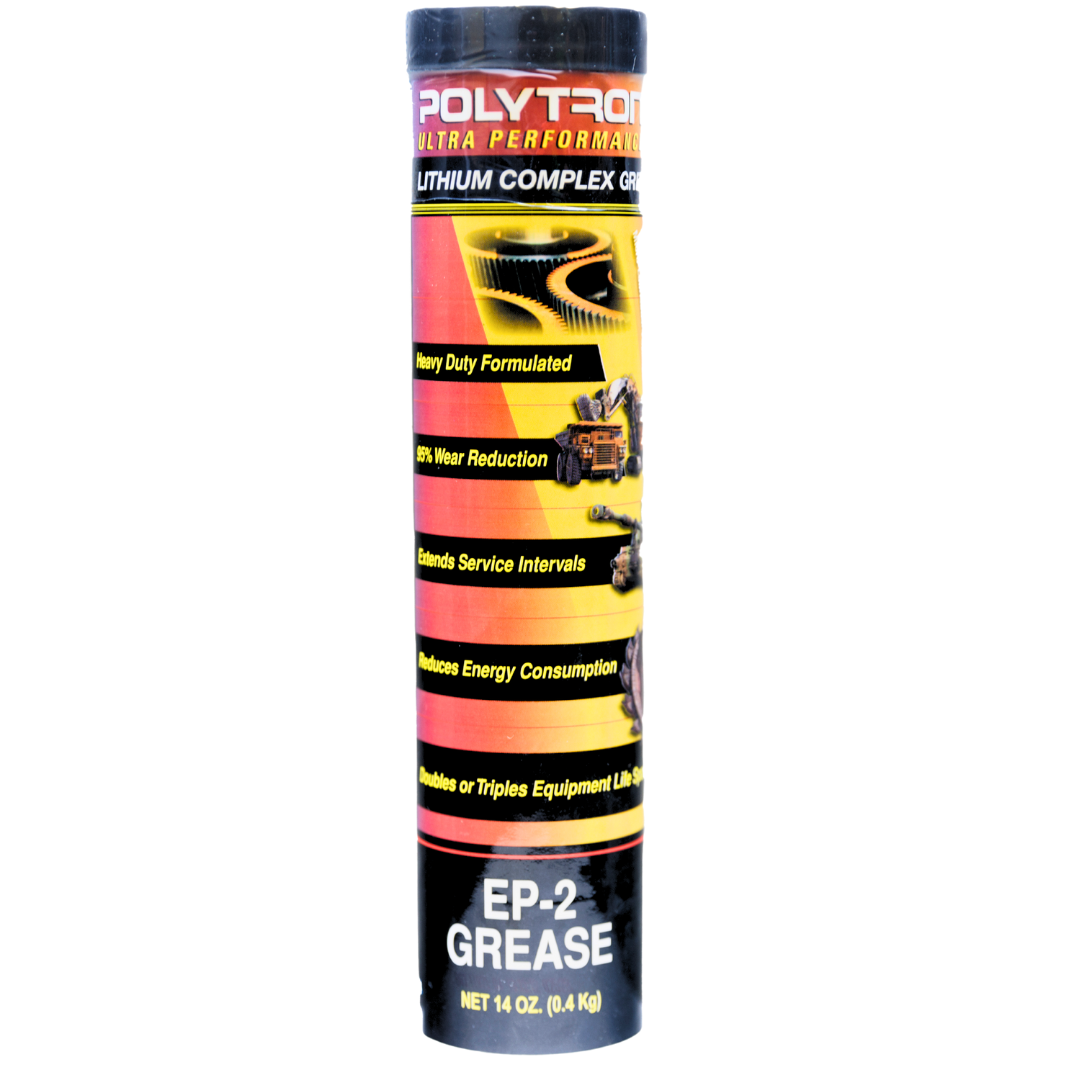
Polytron EP-2 is a multipurpose lithium complex grease formulated for bearings, chassis points, heavy equipment and industrial machinery operating under pressure, moisture, vibration and changing temperatures.
The grease is designed to maintain consistency during high-speed operation in rolling-contact bearings while forming a protective seal that helps reduce contamination. Its lithium complex base is combined with Polytron’s proprietary lubrication technology for automotive, fleet and industrial applications.
What Is EP2 Grease?
“EP” means extreme pressure. EP grease contains additives designed to help protect lubricated surfaces when components operate under high loads or shock loading.
The “2” generally refers to NLGI Grade 2, a grease consistency commonly used for automotive chassis, bearings and multipurpose industrial lubrication. Polytron should confirm and publish the official NLGI grade from its technical data sheet.
Polytron EP-2 Grease Benefits
Polytron EP-2 is formulated to:
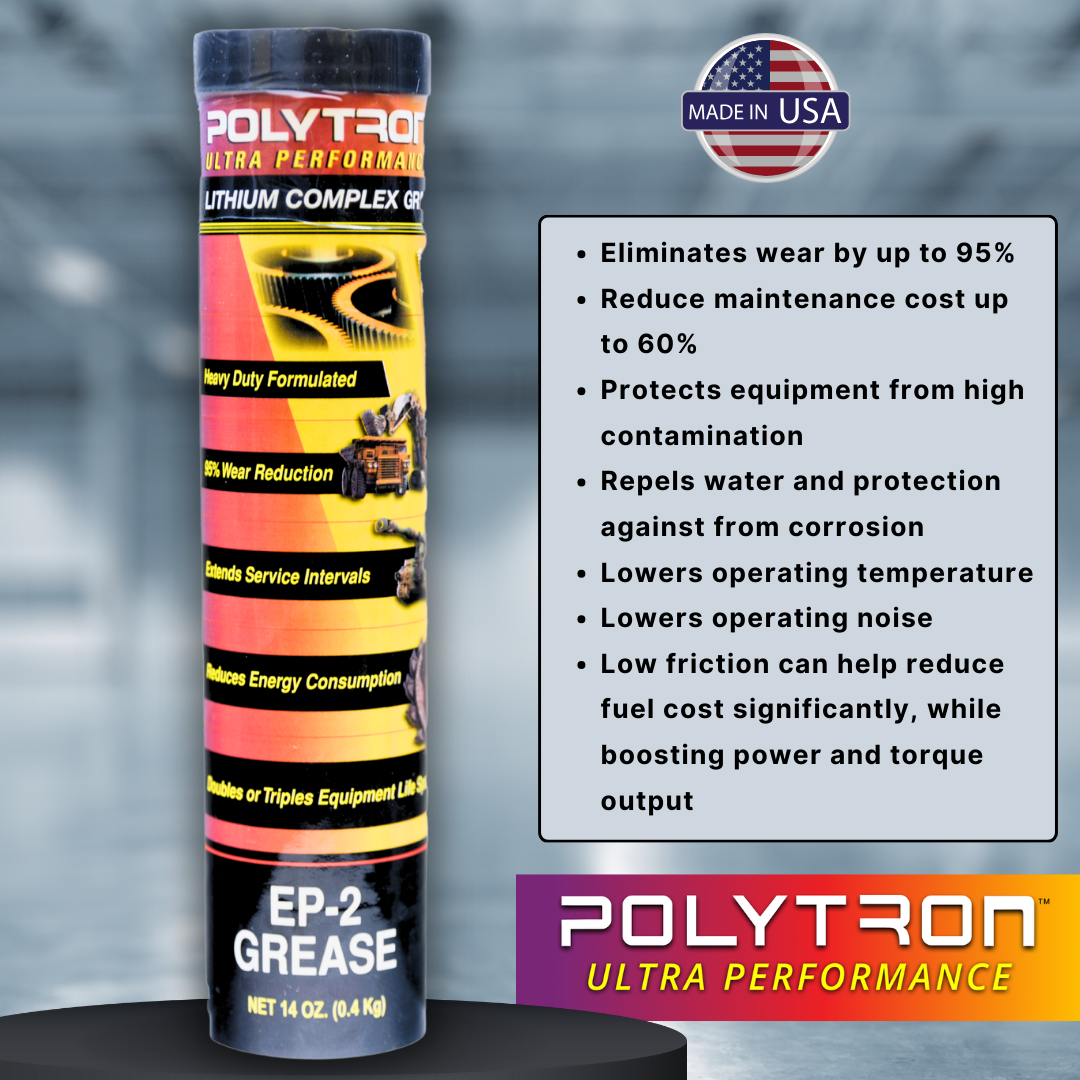
- Support protection under extreme pressure and heavy loads
- Maintain consistency during high-speed bearing operation
- Help seal bearings against moisture and contamination
- Support corrosion protection
- Resist water exposure
- Help reduce friction, operating heat and mechanical noise
- Protect components exposed to sliding, vibration and oscillation
- Serve automotive, construction, fleet and industrial equipment
Any numeric wear, maintenance-cost or service-interval claims should be placed in a separate testing section with the supporting report and test conditions.
EP-2 Lithium Complex Grease Applications
Polytron EP-2 may be used where an EP2 lithium complex grease is appropriate, including:
- Wheel bearings
- Ball joints and universal joints
- Kingpins and fifth wheels
- Steering and chassis lubrication points
- Track-roller bearings
- Bulldozers, loaders, scrapers and shovels
- Jaw crushers and quarry equipment
- Agricultural tractors and machinery
- Truck and commercial fleets
- Conveyor bearings
- Pivot pins and splined shafts
- Roller chains, gears, cables and sheaves
- Sliding and rubbing surfaces
- Water pumps
- Electric-motor bearings
- Alternators, generators and starters
- Bearings exposed to moisture, dust or road spray
Always follow the equipment manufacturer’s grease specification, application method and service interval.
How to Apply Polytron EP-2 Grease
- Confirm that EP2 lithium complex grease is appropriate for the equipment.
Clean the grease fitting before application. - Purge old or contaminated grease where necessary.
Avoid over-greasing sealed or high-speed bearings. - Follow the manufacturer’s recommended quantity and service interval.
- Inspect components for contamination, damaged seals and abnormal heat.
- Do not mix incompatible greases.
More Specific Applications
- Steering drag links transmission cross shaft spring pins
- Shackle pins
- Brake cam shafts
- Fifth wheel faceplates and pivots operating under wide range of temperatures
- Water pumps operating in water, mud or dusty conditions.
- Life pack lubricant of automotive generators, alternators, and starters to protect against effects of moisture and road splash
- Bearings on air-conditioning units in buildings
- Unsealed electric motor bearings operating under moist conditions
- Applications, where silent operations are called for
- Antifriction bearings operating at high speeds and/or severe conditions, including moisture, temperature, and contaminations
Share

Lithium Grease vs. Lithium Complex Grease
Traditional lithium grease and lithium complex grease use related thickener systems, but lithium complex formulations are generally selected for more demanding temperature and load conditions. Grease compatibility depends on the complete formulation, not only the thickener name. Before changing products, consult the equipment requirements and remove or purge incompatible grease where necessary.
EP2 Grease for Heavy Equipment
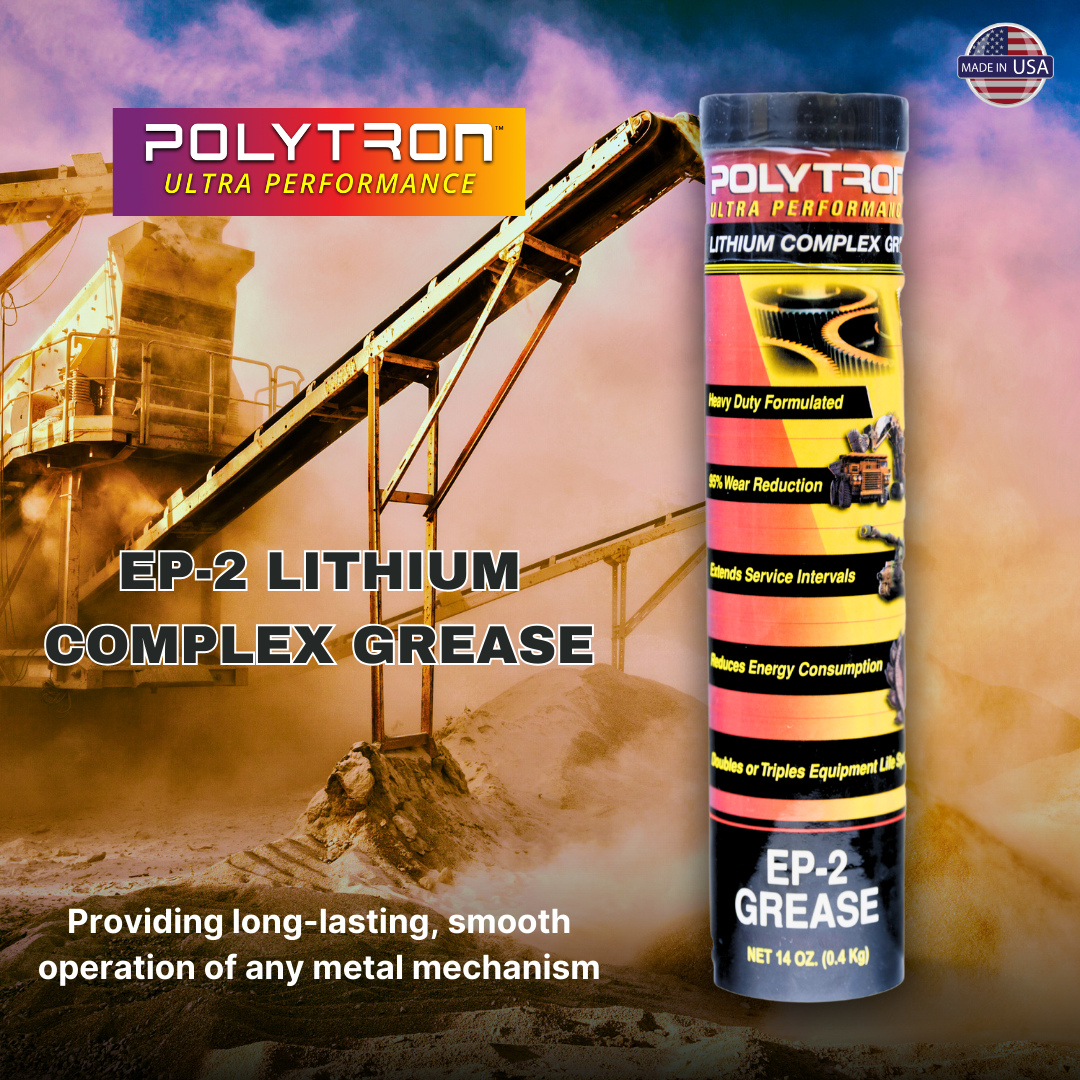
Construction, mining and agricultural equipment can expose lubricated components to shock loads, vibration, dust, water and extended operating hours. Polytron EP-2 is formulated for heavily loaded bearings, pins, chassis points and sliding surfaces where a compatible lithium complex EP2 grease is specified.
For fleet or industrial conversions, document the grease currently in use and confirm compatibility before introducing a different formulation.
EP2 Grease for Bearings and Chassis Components
Polytron EP-2 can be considered for rolling-contact bearings, journal bearings, chassis points, steering components and other surfaces requiring a multipurpose extreme-pressure grease.
Do not use it in sealed bearings or specialized equipment unless the equipment manufacturer permits grease replacement or replenishment.
Water, Contamination and Corrosion Protection
The grease forms a protective seal around lubricated components to help reduce the intrusion of water, dust and other contaminants. This can make it suitable for equipment operating in wet, muddy, dusty or exposed environments.
Frequently Asked Questions
-
What Does EP2 Mean in Grease?
EP means extreme pressure, while the number 2 generally identifies an NLGI Grade 2 consistency. The official Polytron technical data sheet should confirm the product’s classification.
-
Can Polytron EP-2 Be Used in Wheel Bearings?
It may be suitable for wheel bearings where the equipment manufacturer specifies a compatible EP2 lithium complex grease. Confirm temperature, speed, load and compatibility requirements first.
-
Can Different Greases Be Mixed?
Greases should not be mixed unless their formulations are confirmed to be compatible. Mixing incompatible greases can change consistency and reduce lubrication performance.
-
Is Polytron EP-2 Suitable for Heavy Equipment?
It is formulated for many heavy-equipment applications, including bearings, chassis points, rollers, pins and sliding surfaces. The equipment manufacturer’s grease specification remains the controlling requirement.